
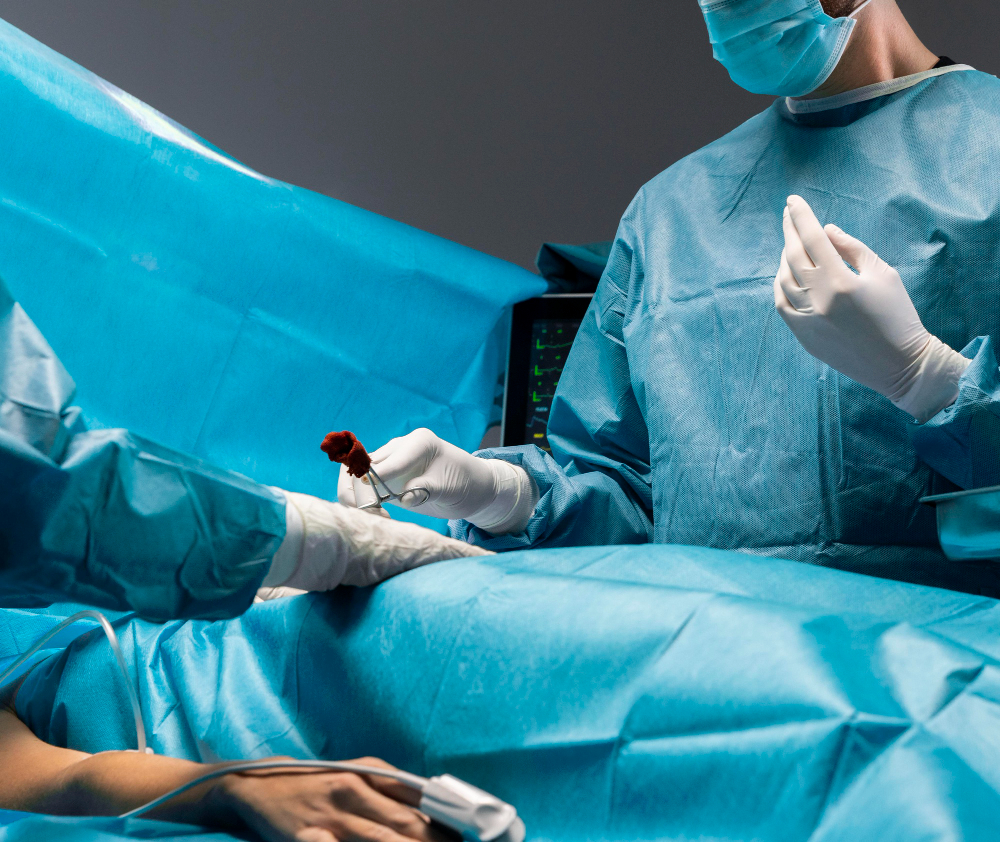
What is a Laparoscopic Appendectomy?
Laparoscopic appendectomy is a type of appendix removal surgery. Doctors use this minimally invasive surgery to treat appendicitis. Instead of a large cut, they make a few small cuts in your belly. Through these, they insert a camera and special tools. As a result, you may heal faster and have less pain. Many people choose this method for appendicitis treatment because it often leads to a quicker recovery.
Symptoms Leading to Surgery
Appendicitis can cause sudden pain in your lower right belly. However, symptoms can vary. If you notice these signs, you should see a doctor right away:
Because appendicitis can get worse quickly, early treatment is important. If you have these symptoms, do not wait to seek medical help.
Causes of Appendicitis
Appendicitis happens when the appendix becomes swollen or infected. Often, a blockage causes this problem. For example, stool, mucus, or even a foreign object can block the opening. When this happens, bacteria grow inside the appendix. This leads to swelling and pain. Sometimes, infections in the body can also cause appendicitis. Although anyone can get it, it is most common in people between 10 and 30 years old.
Diagnosis Before Surgery
Doctors use several steps to diagnose appendicitis before recommending appendix removal surgery. First, they ask about your symptoms and do a physical exam. Next, they may order tests such as:
With these tests, doctors can confirm if you need a laparoscopic appendectomy. Quick diagnosis helps prevent serious problems, like a burst appendix.
The Laparoscopic Procedure Explained
During a laparoscopic appendectomy, you will receive general anesthesia. This means you will be asleep and feel no pain. The surgeon follows these steps:
Because the cuts are small, you may have less scarring. Most people can go home the same day or the next day. According to the CDC and WHO, minimally invasive surgery like this is safe and effective for most patients.
Recovery and Aftercare
After laparoscopic appendectomy, recovery is usually quick. However, everyone heals at their own pace. Here is what you can expect:
Because this is a minimally invasive surgery, you may recover faster than with open surgery. If you have any concerns, contact your healthcare provider right away.
Risks and Possible Complications
Laparoscopic appendectomy is generally safe. Still, like any surgery, it has some risks. These may include:
However, serious problems are rare. Most people recover without any major issues. If you notice severe pain, swelling, or fever, seek medical help right away.
Prevention and Lifestyle Tips
There is no sure way to prevent appendicitis. However, some healthy habits may help lower your risk. For example:
Although these steps cannot guarantee prevention, they support your overall health. If you ever feel sudden belly pain, do not ignore it. Early treatment can make a big difference.
In summary, laparoscopic appendectomy is a safe and effective way to treat appendicitis. Because it uses small cuts, recovery is often faster and less painful. For more information or personal advice, consult a qualified surgeon about laparoscopic appendectomy.