
Introduction
Hernia surgery is a common procedure that helps fix a bulge or tear in the muscle or tissue. This bulge, called a hernia, often happens in the belly or groin. If left untreated, a hernia can cause pain or serious health problems. Therefore, hernia surgery is important for many people. In this guide, you will learn about hernia symptoms, diagnosis, treatment options, and recovery tips. Understanding these steps can help you make informed choices about your health.
Symptoms of Hernias
Many people notice a soft lump or bulge in the affected area. Often, this bulge gets bigger when you stand, cough, or lift something heavy. However, some hernias may not cause pain at first. Common hernia symptoms include:
If you notice these signs, it is important to talk to a doctor. Sometimes, hernias can lead to serious problems if not treated.
Causes and Risk Factors
Hernias happen when a muscle or tissue becomes weak or tears. As a result, part of an organ or tissue pushes through. Several factors can increase your risk of getting a hernia. For example:
Although anyone can get a hernia, men are more likely to develop certain types. Age and lifestyle also play a role.
Diagnosis Process
Doctors use a simple process to diagnose a hernia. First, your doctor will ask about your symptoms and medical history. Next, a physical exam is done to check for a bulge or swelling. Sometimes, doctors use imaging tests, such as an ultrasound or CT scan, to confirm the diagnosis. These tests help your doctor see the size and type of hernia. Early diagnosis is key to avoiding complications.
Treatment Options
While small hernias may not need surgery right away, most hernias require a hernia repair procedure. There are two main types of hernia surgery:
Your doctor will choose the best option based on your health and the hernia type. According to the CDC, hernia repair is one of the most common surgeries worldwide.
What to Expect Before, During, and After Hernia Surgery
Before Surgery
Before the hernia repair procedure, your doctor will give you instructions. For example, you may need to stop eating or drinking for a few hours. You should also tell your doctor about any medicines you take.
During Surgery
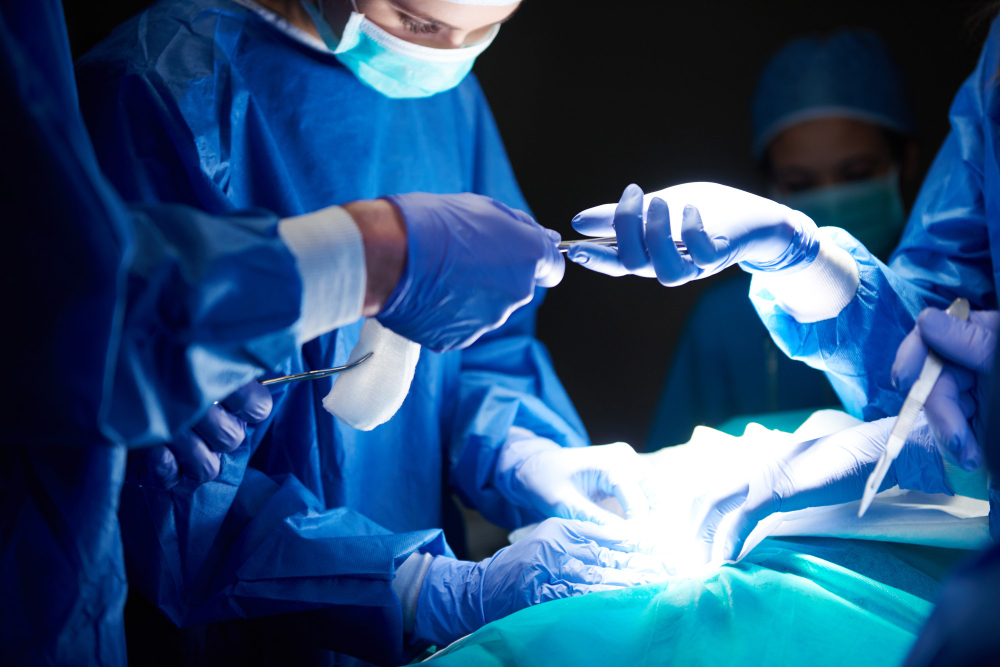
During hernia surgery, you will receive anesthesia to keep you comfortable. The surgeon will repair the hernia and may use a mesh to strengthen the area. Most surgeries take less than two hours.
After Surgery
After the procedure, you will rest in a recovery area. Most people can go home the same day. However, some may need to stay overnight. Your doctor will give you instructions for care at home.
Recovery Tips and Lifestyle Guidance
Recovery from hernia surgery is usually quick. Still, following your doctor’s advice is important. Here are some hernia recovery tips:
If you notice fever, redness, or severe pain, contact your doctor right away. These could be signs of infection or other problems.
Prevention Strategies
Although not all hernias can be prevented, you can lower your risk. For instance:
By following these steps, you can help protect yourself from future hernias.
Conclusion
In summary, hernia surgery is a safe and effective way to treat hernias. Knowing the symptoms, causes, and treatment options can help you act early. For personalized guidance on hernia surgery, consult our specialist today. Your health and comfort matter most.