
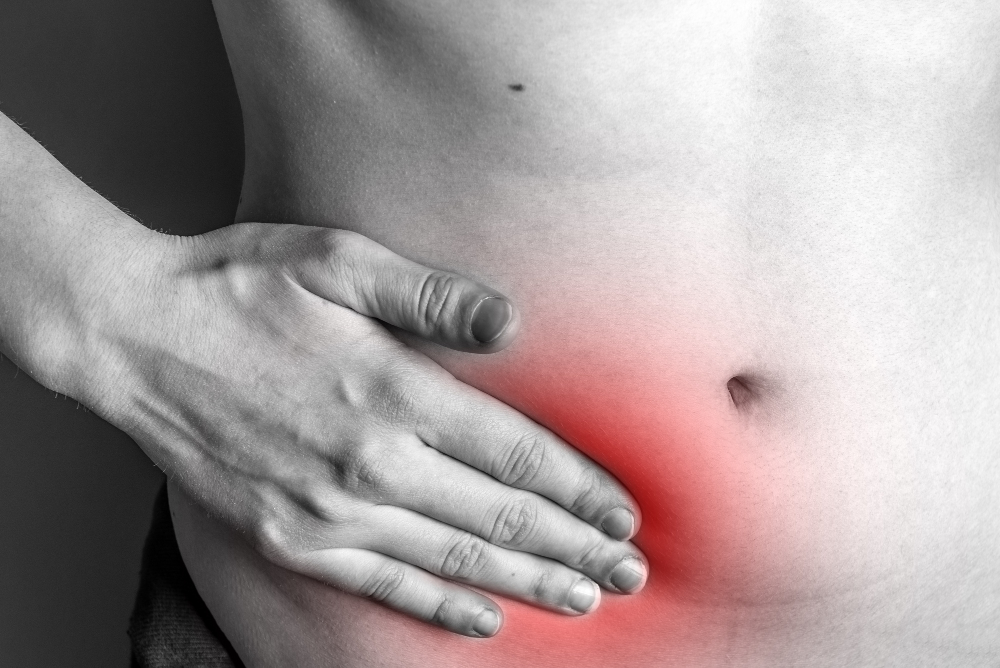
What Is an Incisional Hernia?
An incisional hernia is a bulge that forms near a scar from a past surgery. It happens when tissue pushes through a weak spot in the belly wall. Usually, this weak spot is where a surgical cut was made. While many people heal well after surgery, some may notice a lump or swelling at the site. This is called an incisional hernia. According to the World Health Organization (WHO), hernias are common after abdominal surgery.
Why Does an Incisional Hernia Happen?
After surgery, the belly wall needs time to heal. However, sometimes the tissue does not grow back as strong as before. As a result, a weak spot can form. There are several reasons why this happens. For example, the wound may get infected, or the stitches may not hold well. In addition, some people are at higher risk. These include:
Moreover, lifting heavy objects too soon after surgery can increase the risk. According to the CDC, wound infections and poor healing are leading causes of incisional hernia.
Common Symptoms of Incisional Hernia
Not everyone will notice symptoms right away. However, some signs can help you spot an incisional hernia early. For instance, you may see or feel a soft lump near your surgical scar. This lump may get bigger when you stand, cough, or lift something heavy. Other common incisional hernia symptoms include:
Sometimes, the hernia can cause nausea or vomiting. If the lump becomes hard, painful, or cannot be pushed back in, seek medical help right away. This could mean the hernia is trapped, which is an emergency.
How Doctors Diagnose Incisional Hernia
Doctors use several steps to diagnose an incisional hernia. First, they will ask about your symptoms and medical history. Next, they will gently feel the area for a lump or bulge. Often, this is enough to make a diagnosis. However, sometimes doctors need more information. In these cases, they may order tests such as:
With these tests, doctors can plan the best incisional hernia treatment options for you.
Treatment Options for Incisional Hernia
Treatment depends on the size of the hernia and your symptoms. For small hernias that do not hurt, doctors may suggest watchful waiting. However, most incisional hernias need surgery to fix the weak spot. There are two main types of surgery:
According to medical journals, using mesh lowers the risk of the hernia coming back. Your doctor will help decide which incisional hernia treatment option is best for you.
Preventing Incisional Hernia After Surgery
While not all hernias can be prevented, there are steps you can take to lower your risk. After surgery, it is important to follow your doctor’s advice. For example, you should:
In addition, ask your doctor about how to prevent incisional hernia if you have risk factors. Early care and good habits can make a big difference.
Living With or Recovering From Incisional Hernia
Living with an incisional hernia can be challenging, but many people recover well after treatment. After surgery, you may need to rest for a few weeks. During this time, it helps to:
Even after healing, it is wise to avoid heavy lifting and straining. If you notice any new swelling or pain, contact your doctor. With the right care, most people return to normal activities after incisional hernia repair.