
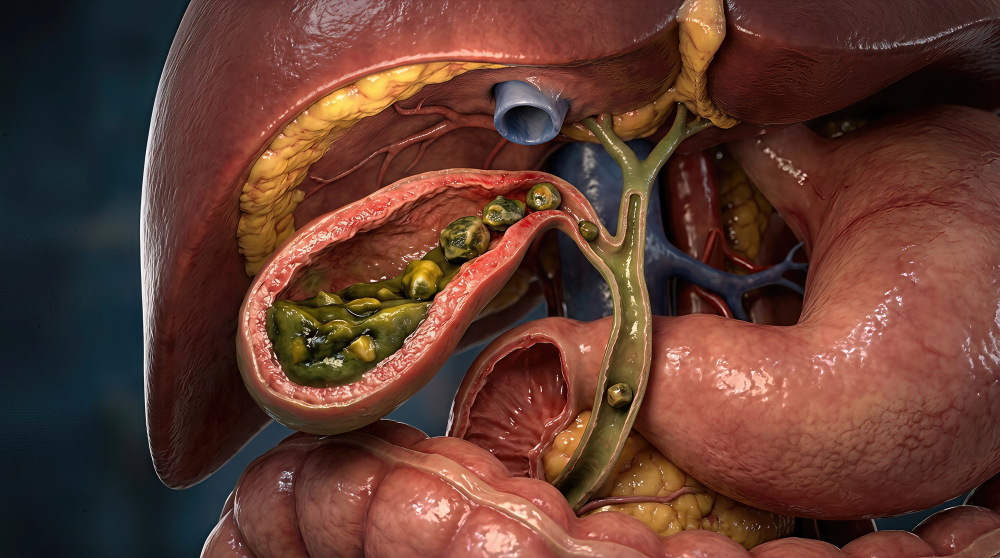
What Are Gallstones?
Gallstones are small, hard pieces that form in the gallbladder. The gallbladder is a small organ under your liver. It stores bile, which helps your body digest fat. Sometimes, bile can harden and turn into stones. These stones can be as small as a grain of sand or as large as a golf ball. Gallstone surgery may be needed if these stones cause pain or other problems.
Common Symptoms of Gallstones
Many people with gallstones do not feel any symptoms. However, some people may notice signs when a stone blocks a bile duct. For example, you might feel:
Because symptoms can come and go, it is important to talk to your doctor if you notice any of these signs.
Causes and Risk Factors
Gallstones form when the balance of substances in bile changes. For instance, too much cholesterol or bilirubin can lead to stones. Several factors can raise your risk, such as:
Although anyone can get gallstones, these factors make them more likely.
How Gallstones Are Diagnosed
Doctors use several methods to find gallstones. First, they may ask about your symptoms and health history. Next, they may do a physical exam. Often, an ultrasound is used to see the gallbladder and check for stones. Sometimes, other tests like blood tests or special scans are needed. These tests help rule out other problems and guide treatment choices.
Treatment Options for Gallstones
Not everyone with gallstones needs treatment. If you have no symptoms, your doctor may suggest watchful waiting. However, if you have pain or other problems, treatment is needed. Common treatment options include:
Because gallstones often come back, surgery is the most common and effective treatment for lasting relief.
When Is Surgery Recommended for Gallstones?
Doctors may recommend gallstone surgery if you have:
Sometimes, surgery is also suggested if you have certain health risks, even without symptoms. According to the CDC, gallbladder removal is safe and common. It is often done using small cuts (laparoscopic surgery), which helps you heal faster.
What to Expect Before, During, and After Gallstone Surgery
Before surgery, your doctor will explain the procedure and answer your questions. You may need to stop eating or drinking for a short time. During surgery, doctors usually remove the gallbladder through small cuts. This is called laparoscopic cholecystectomy. In some cases, open surgery with a larger cut is needed.
After surgery, most people go home the same day or the next. You may feel sore for a few days. However, you can often return to normal activities within a week. Because your body can still digest food without a gallbladder, you do not need special diets after healing. Still, some people may notice mild changes in digestion.
Preventing Gallstones and Promoting Gallbladder Health
While not all gallstones can be prevented, you can lower your risk by making healthy choices. For example:
Because some risk factors cannot be changed, regular check-ups can help catch problems early. The CDC and other health experts recommend these steps for better gallbladder health.