
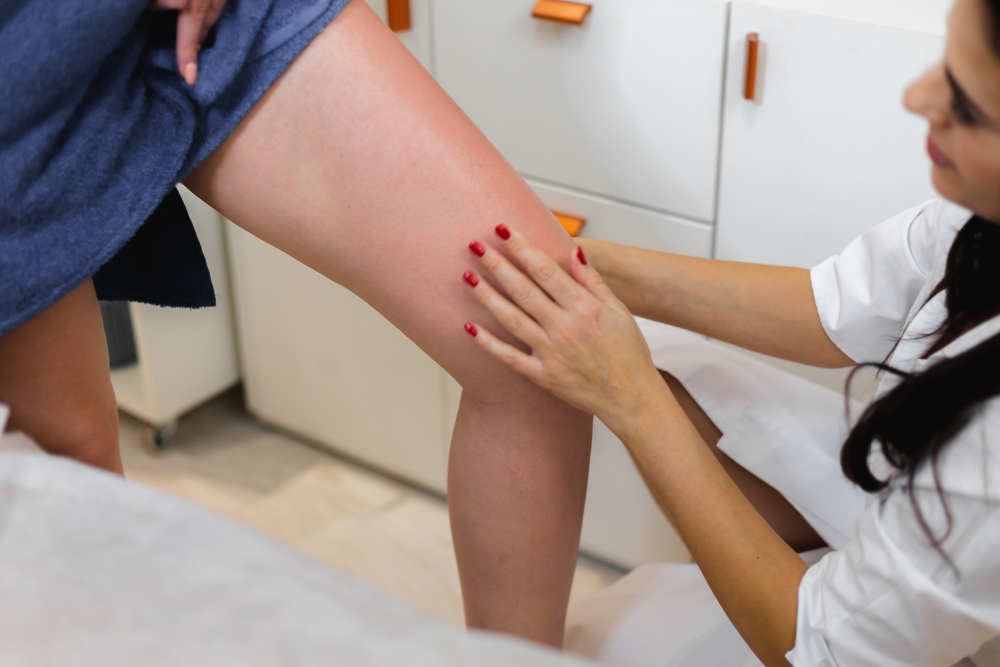
What Are Varicose Veins?
Varicose veins are swollen, twisted veins that often appear on the legs. They are a common problem, especially as people age. These veins can look blue or purple and may bulge above the skin. Many people want to know how to get rid of varicose veins because they can cause discomfort and affect appearance. According to the World Health Organization (WHO), varicose veins affect millions worldwide.
Common Symptoms and Warning Signs
Varicose veins can cause a range of symptoms. While some people have no pain, others may notice:
Sometimes, these symptoms get worse after standing or sitting for long periods. If you notice sores or bleeding near the veins, seek medical help right away.
Causes and Risk Factors
Varicose veins develop when the valves in your veins do not work well. Normally, these valves keep blood flowing toward the heart. However, when they weaken, blood can pool in the veins. This causes them to stretch and twist. Several factors increase your risk:
Additionally, women are more likely to develop varicose veins than men, according to the Centers for Disease Control and Prevention (CDC).
Diagnosis Methods
Doctors can usually diagnose varicose veins by looking at your legs and asking about your symptoms. However, they may use tests to check blood flow. For example, an ultrasound scan helps doctors see how blood moves through your veins. This test is painless and safe. In some cases, your doctor may suggest other tests to rule out more serious problems.
Effective Treatment Options
There are many ways to treat varicose veins. Your doctor will suggest the best option based on your symptoms and health. Treatment options include:
Most treatments are safe and effective. However, always talk to your doctor about the risks and benefits.
Lifestyle Changes and Self-Care Tips
Simple changes can help manage symptoms and prevent varicose veins from getting worse. For example, you can:
Additionally, eating a high-fiber, low-salt diet can help reduce swelling.
Prevention Strategies
While you cannot always prevent varicose veins, you can lower your risk. Try these prevention tips:
These steps can help keep your veins healthy and reduce your chances of developing varicose veins.
When to See a Doctor
If you have pain, swelling, or skin changes near your veins, see a doctor. Early treatment can prevent problems and improve your quality of life. Remember, only a specialist can recommend the best varicose veins treatment for you.
Conclusion
Varicose veins are common, but you do not have to live with discomfort. With the right care and treatment, you can manage symptoms and improve your leg health. Consult a specialist for personalized guidance on varicose veins.